

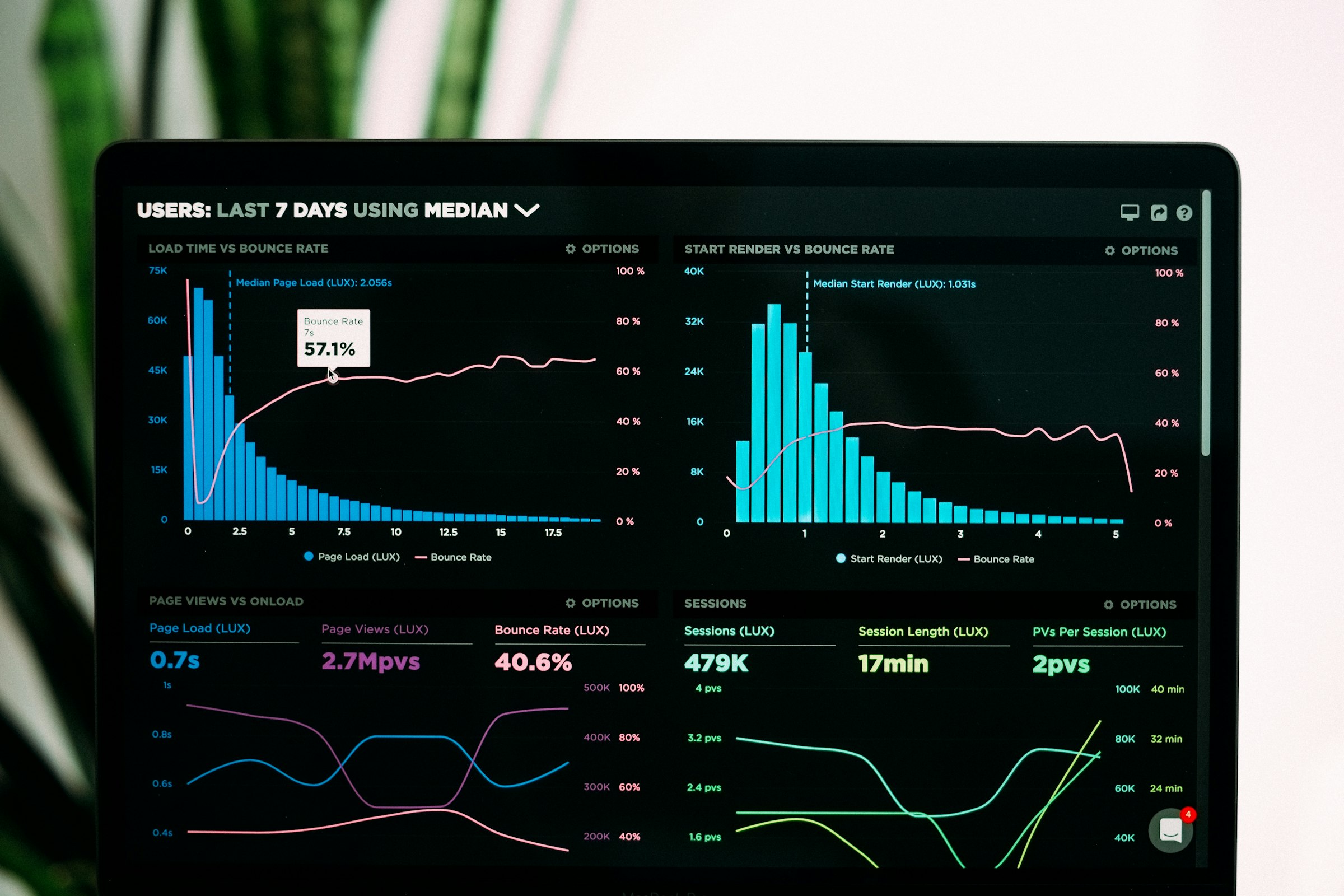
Every campaign report is two datasets wearing one outfit. There is what you expected — reach modelled from audience size and historical rates — and there is what happened, counted from real events. Presented together without a label, the second quietly inherits the confidence of neither.
The rule: measured supersedes estimate, cell by cell
Performance is assembled per channel and per date. Where a measured value exists for that cell it replaces the estimate outright; where it does not, the estimate stands and is labelled as one. Nothing is averaged between the two, because the average of a guess and a fact is a third thing that is neither.
Click tracking is the first genuinely measured metric on the platform: a tracked link, a redirect, a counted visit. Conversions follow through a pixel or a postback. Everything else on a fresh campaign is still modelling, and it says so.
Read cost per creator carefully
When a creator’s cost appears next to their results, that is the full booking — not a slice of it apportioned to the reporting window. A three-month placement does not become cheap because you are looking at one month of it. Compare like for like, or compare over the whole flight.
What a good report says out loud
- Which numbers are counted. Clicks and conversions are events. Reach and impressions on an unmeasured channel are still projections.
- How fresh they are. A rollup is exactly as current as the last time it ran. A dashboard that does not tell you when it last updated is asking you to assume.
- What the money bought. Committed spend across a campaign includes both the media buys and the briefs. A figure drawn from only one of them is a wrong number, not a partial one.
An estimate labelled as an estimate is useful. An estimate labelled as a result is a liability.